 Give Missed Call for Home Loan +91 9706128128

 PMAY 2.0
 Pay EMI Online
 Download Loan App
Special Offers

 Give Missed Call for Home Loan +91 9706128128
 Special Offers

29-May-2026 | Affordable Housing

Turning the dream of a custom-built house into reality is one of the most rewarding journeys you can undertake. Instead of settling for a pre-existing layout that doesn't quite fit your lifestyle, constructing your own home allows you to dictate every detail, from the floor plan to the finishes. However, turning those blueprints into brick and mortar requires capital.
For many prospective homeowners, the immediate instinct is to walk into their local bank branch. But when it comes to construction, traditional banks are often bound by rigid regulations and conservative lending criteria. This is where an affordable home loan finance company like Aavas Financiers steps in to bridge the gap. Specialized lenders understand the nuances of construction finance, offering the flexibility and tailored solutions that big banks frequently lack.
If you are planning to break ground soon, here is everything you need to know about financing your build and why specialized affordable housing finance companies might just be your best partner in the process.
The Core Difference: Non-Banking Financial Company vs Traditional Bank Loans
When analyzing a non-banking financial company vs traditional bank loans, the primary differentiator is flexibility. Traditional commercial banks are highly regulated entities that prefer financing fully constructed properties. A house that doesn't exist yet represents a higher risk to a standard bank.
Conversely, a dedicated home finance company (often operating as an HFC) specializes in real estate. They understand that a construction project happens in phases. Because they evaluate risk differently, they are much more likely to approve a specialized building loan. These loans disburse funds in stages—or "tranches"—as the construction progresses, ensuring you only pay interest on the money you have actually used.
Why Choose a Specialized Lender?
• Faster Processing: Less red tape means your project gets off the ground faster.
• Customized Repayment: Options to pay only the interest during the construction phase.
• Flexible Eligibility: Greater willingness to consider unconventional income sources, such as freelance earnings or small business revenues.
Navigating the Early Stages of Your Home Journey
Before pouring the foundation, you must lay down a solid financial framework. Being proactive about your financial health will save you time, money, and stress.
Pre-Approval is Your Blueprint
You wouldn't build a house without a blueprint, and you shouldn't house-hunt or hire contractors without knowing your budget. Navigating the mortgage pre-approval process steps involves gathering your financial records, submitting to a credit check, and letting the lender determine exactly how much they are willing to lend you. Having this pre-approval in hand shows contractors and sellers that you are a serious, qualified buyer.
Preparing Your Credit and Income
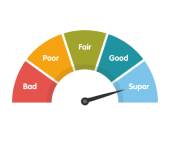
Your credit score is the gatekeeper to favorable interest rates. If you are serious about building, focus on improving credit score for home loan approval at least six months in advance. Pay down credit card balances, dispute any errors on your credit report, and absolutely avoid opening new lines of credit before applying.
Lenders will also look closely at your capacity to repay. To see what they see, you should calculate debt-to-income ratio for mortgages. Simply divide your total monthly debt payments by your gross monthly income. Most lenders prefer a ratio between 40% to 50%, though affordable housing finance companies can sometimes offer more flexible thresholds, provided you have compensating factors like a strong savings history.
Why a Home Loan Finance Company Excels in Custom Builds
Affordable housing finance companies like Aavas Financiers don't just offer money; they offer pathways to home ownership that might otherwise be closed off to average earners.
Leveraging Assistance and Low Down Payments
Many people believe they need a 25-30% down payment to build or buy a home. Fortunately, this is largely a myth today. A specialized lender can connect you with various first-time home buyer assistance programs that provide grants or subsidized loans to help cover upfront costs.
Furthermore, these institutions are well-versed in structuring low down payment mortgage options. By requiring less cash upfront, you can keep your savings liquid to cover unexpected construction overruns—because in home building, unexpected costs are almost guaranteed.
Mastering the LTV Ratio
A critical concept in construction financing is understanding loan-to-value ratio requirements. The Loan-to-Value (LTV) ratio compares the loan amount to the appraised value of the completed property. Traditional banks often demand a lower LTV for construction loans (meaning you must put more cash down). Specialized housing finance companies, however, often project the future value of the home once built, allowing for a higher LTV and drastically reducing your out-of-pocket burden.
Interest Rates: Stability vs. Savings
One of the most important decisions you will make is selecting your rate structure. It is vital to weigh the fixed vs floating interest rate benefits:
• Fixed-Rate: Offers peace of mind. Your interest rate and monthly principal-and-interest payments remain identical for the life of the loan. This is ideal if you plan to stay in the home long-term and want predictable budgeting.
• Floating (Variable) Rate: Often starts with a lower introductory rate than fixed options. If market rates drop, your monthly payment drops. This can be beneficial if you plan to sell or refinance within a few years, but it carries the risk of rates increasing over time.
The Paperwork: What You Need
To ensure a smooth application process, you must be prepared. When clients ask what documents are needed for housing finance for a self-build, the list typically includes:
• Proof of Identity and Address: Government-issued ID and recent utility bills.
• Income Proof: Last six months’ salary slips and two years of tax returns for self-employed individuals.
• Property Documents: The deed to the land (if you already own it).
• Construction Details: Detailed architectural blueprints, a comprehensive cost estimate from a licensed builder, and copies of all necessary local building permits.
Planning the Long Game
You should also discuss the maximum tenure for residential property loans with your lender. While a 30-year term is standard in many regions, some lenders offer 15-year or 20-year terms. A longer tenure means lower monthly payments, but you will pay significantly more interest over the life of the loan. A shorter tenure increases your monthly burden but saves you massive amounts of interest long-term.
Final Thoughts
Constructing a home is an intricate puzzle, and finding the right financial backing is the most crucial piece. While traditional banks serve a valuable purpose in the financial ecosystem, their rigid structures often make them poorly suited for custom home builds.
By partnering with an agile home loan finance company like Aavas Financiers, you unlock access to flexible building loans, lenient down payment requirements, and a team that understands the realities of construction.
Disclaimer: This article is intended solely for informational
purposes. Any interest rates, ratios, or values referenced are
indicative in nature and do not constitute a guarantee. Interest rates
and loan terms are subject to change and may vary based on individual
eligibility, internal assessments, and the prevailing policies of Aavas
Financiers Ltd.